Somebody Find the Key: How Three Quiet Radio Clubs Started Again
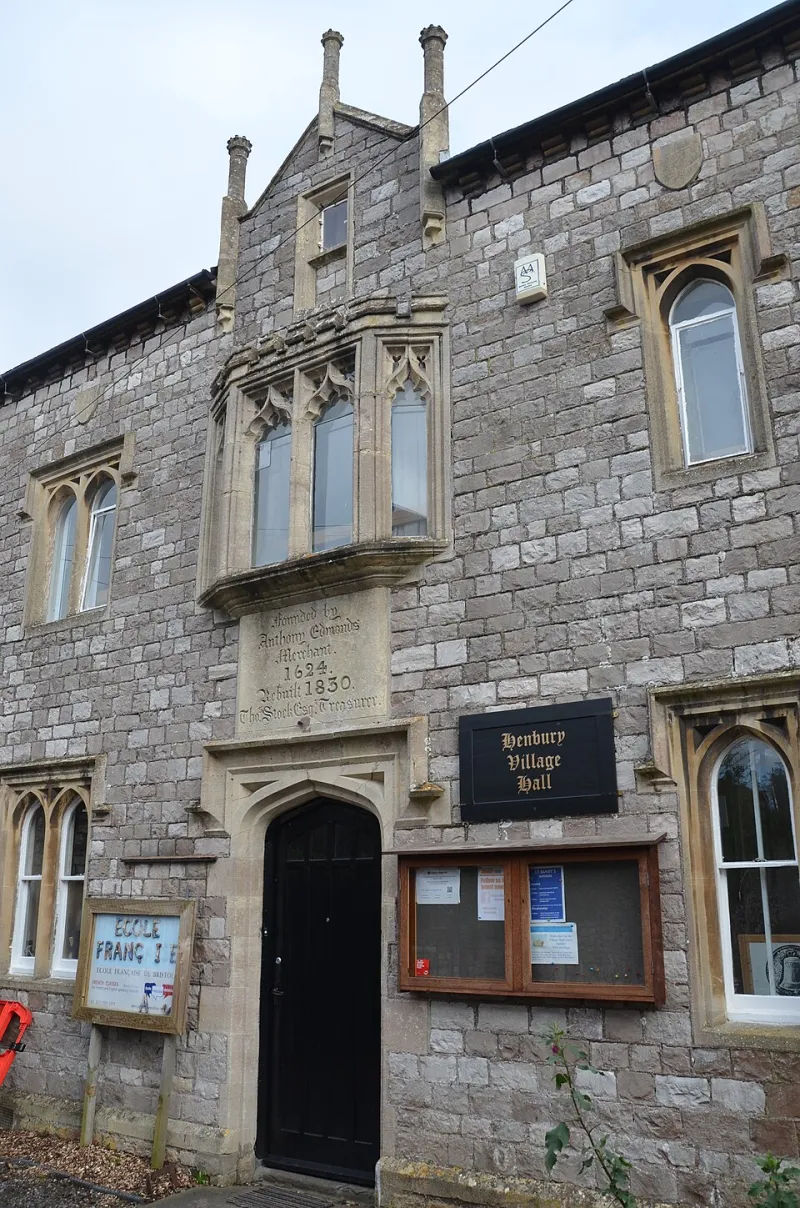
Photo: Hamburg103a, CC BY-SA 4.0, via Wikimedia Commons
There is a particular kind of silence in a radio club that has gone dormant. It is not the peaceful silence of a quiet shack on a Sunday morning. It is the silence of a hall booked for nobody, a cupboard full of coax, and a WhatsApp group where the last message is from 2023 and says: ‘Sorry, can’t make it tonight.’
In 2026, plenty of UK clubs are busy, but plenty are also one bad AGM away from a long nap. The good news is that dormancy is not the same as death. We spoke to three societies that went quiet — for months in some cases, years in others — and then came back. Names have been changed at committee request, but the lessons are real enough.
The club that ran on one man’s car boot
Brackenford Radio Society was, for years, a one-person operation with a committee attached. The secretary booked the hall, ran the net, kept the log, brought the biscuits and lugged the club rig home after every meeting. When he moved to Norfolk, the club did not collapse dramatically. It just stopped.
‘We had fourteen members on paper and three who actually turned up,’ says Priya, who later became chair. ‘The first thing we did was not a meeting. It was an inventory night. Four of us opened the cupboard, wrote down every item, tested what we could and threw away the rest.’
The inventory mattered for two reasons. It gave them something concrete to talk about — always easier than ‘what shall we do?’ — and it revealed a usable HF rig, a decent power supply and a box of QSL cards from the 1980s. That box became the hook for the relaunch: a nostalgia night in the village hall, with old logs on the tables and the kettle on.
They did not ask former members to commit. They asked them to come for one evening and bring a photograph. Twenty-two people turned up. Nine joined. By spring 2026 the club had 27 members, a rota for tea and a rule that no one person holds more than one key.
Small win: they renegotiated the hall booking from weekly to fortnightly, which made the room cheaper and the commitment easier to sell.
The society that forgot how to ask
Kingsway Amateur Radio Club had the opposite problem. It had a good venue, a healthy bank balance and a membership list that looked impressive until you realised half of it had not been seen since the Queen’s jubilee. The committee kept meeting. The members did not.
After eighteen months of near-silence, a handful of newer licence holders staged a quiet coup. Not a dramatic one — more of a ‘can we try something on a Thursday?’ one. They booked the clubroom for an open shack night, put a notice in the local library and made one rule: every visitor got a name badge and a cup of tea before anyone mentioned the constitution.
‘The pitfall was assuming people would come back because the club existed,’ says Tom, now treasurer. ‘They didn’t. They came back because someone asked them directly and told them what would happen in the first twenty minutes.’
Kingsway’s relaunch had two other practical fixes. First, they sorted out the bank mandate before advertising the new membership year, which avoided the classic club embarrassment of taking subs into an account nobody could access. Second, they ran a hybrid option for the business bit of the evening, then switched it off for the social half. The result was a meeting that felt like a club night, not a webinar with biscuits.
Small win: a ‘spare rig shelf’ for new members to borrow a handheld for a month. It cost nothing and gave newcomers a reason to come back.
The seaside club with salt in the schedule
Harbour Lane Wireless Club had always been seasonal. Summer was for aerials, winter was for listening, and the gap between the two had slowly widened until the club was effectively closed from October to March. The committee called it a ‘pause’. Everyone else called it dormant.
The comeback started with a listening night rather than a build night. Members brought receivers, a laptop and a tangle of wire, and spent two hours seeing what could be heard on the bands after dark. It was cheap, it was sociable and it did not require anyone to chair a meeting.
They also made peace with the venue. The old hall was cold, expensive and had no storage, so the club moved to a room above a café that let them keep a small cupboard on site. The rent was lower, the tea was better and the walk from the seafront meant people actually passed the door.
‘We stopped trying to be a big club,’ says Elaine, the current secretary. ‘We became a small club that meets every other Thursday and does one proper event a quarter. That was enough to keep the lights on.’
By the end of 2026, Harbour Lane has a waiting list for its winter listening nights. Not a long one. But a waiting list.
The relaunch checklist nobody prints
If your club has gone quiet, the first step is not a grand plan. It is a conversation between two people who are willing to open the cupboard.
- Find a second person. One volunteer is a hobby; two is a rota.
- Check the basics: venue, insurance, bank access, equipment, data protection. Boring, but it stops the comeback folding in week three.
- Contact former members without blame. ‘We are trying again on Thursday’ works better than a post-mortem.
- Start with a low-stakes event: an inventory night, a listening evening, a repair table, a photo archive session.
- Advertise what will happen, not what the club is. People need to know whether to bring a rig, a mug or just themselves.
- Keep the first year small. A club that meets fortnightly and does one good thing a quarter is healthier than a club that promises a rally, a newsletter and a repeater by Easter.
What not to do
Do not relaunch with a constitution debate. Do not buy equipment before you have people. Do not rely on one superhero to do the keys, the banking, the newsletter and the tea. And do not mistake a busy Facebook page for a living club — the room still has to be warm, open and worth the journey.
The most useful thing a dormant club can do is lower the barrier. A name badge, a loan handheld, a lift to the hall, a clear start time and a decent biscuit will do more for membership than a year of strategic planning.
Dormant is not dead. Sometimes it is just a club waiting for somebody to find the key.