The Rota, the Rope and the Rain: Life on a Shared Club Mast
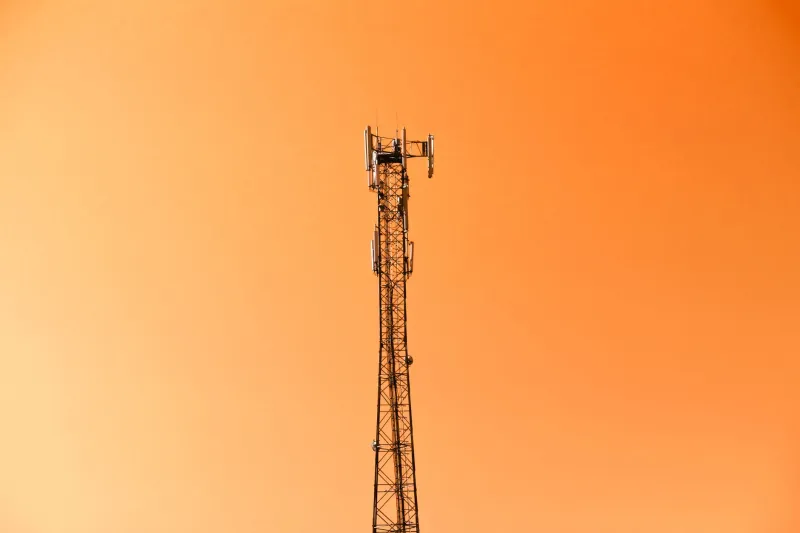
There is a particular sort of silence that falls over a clubroom when somebody asks who has the mast next Saturday. It is not quite tension. It is more the sound of ten people suddenly becoming very interested in the tea urn. At Brackenford Amateur Radio Society, the club has one genuinely good antenna site: a sturdy mast on a borrowed bit of farmland, with a clear run to the north, a rotator that mostly behaves, and enough height to make the average HF operator go a bit dreamy. It is, by common consent, the best bit of radio real estate the club owns.
It is also shared by ten members. And that is where the diplomacy starts.
The booking sheet is the real antenna tuner
On paper, the system is simple. A shared spreadsheet lists Saturdays and the occasional weekday evening. Members put their callsign in a slot, add what band they plan to use and whether they need the rotator. In practice, the spreadsheet is less a timetable than a small portrait of club life. There are the early risers who want 40 metres before breakfast, the contest crowd who need the mast for a full weekend, the newly licensed members who just want an hour to hear their own signal come back, and the one member who always writes 'flexible' and then rings the secretary on Friday night to ask if flexible can mean tomorrow.
Since the club moved to an online rota in 2026, bookings are easier to see, but they are no less emotional. A good weather forecast can cause a rush. A bad one can empty the sheet entirely. The committee has learned to treat the rota as a living document rather than a rulebook, which is probably why it has survived longer than most club equipment.
Etiquette is mostly about leaving things as you found them
The written rules are short. Coil the ropes properly. Don't leave the rotator pointing at the prevailing wind if you can help it. Log any faults in the book, not in the group chat at midnight. Take your litter home. And if you finish early, text the next person rather than simply vanishing. The unwritten rules are longer and considerably more useful.
Members tend to arrive with their own little rituals. One brings a flask and a folding stool. Another refuses to operate unless the SWR has been checked twice. A third has a habit of adjusting the guying tension and then pretending not to have done it. None of this is unusual. What matters is that everyone understands the mast is not a personal possession. It is a shared tool, a bit like the club's soldering iron, only taller and with more weather.
There is also the question of noise. A shared site means shared neighbours, and the club has worked hard to keep the farmer onside. Members know not to run high power late at night, not to leave cables across the track, and not to turn up in a noisy convoy. The mast may be the attraction, but the access road is the relationship.
When the weather writes the agenda
This is Britain, so the rota is always provisional. A forecast of 40 mph gusts will cancel a Saturday faster than any committee motion. Frost can make the steps interesting. Rain turns the field gate into a mud bath. In November, the club's shared mast often becomes a shared exercise in patience, with members checking the met office app and then checking it again in case it has changed its mind.
Cancellations are handled with a sort of grim cheerfulness. The member who loses a slot gets first refusal on the next free weekend, and the secretary keeps a note. It is not a formal compensation scheme, but it works. People remember who gave up a booking when the wind was howling, and they tend to return the favour when the sun comes out.
The committee bit nobody warns you about
The committee's role is less about radio than you might think. It is about fairness. Should a contest station get a whole weekend when three new members are waiting for their first proper HF contact? Should the mast be available on a bank holiday? What happens if someone books six weeks in a row and then cannot use half of them? These are not technical questions, but they decide whether a shared aerial arrangement feels generous or grumbling.
Brackenford's answer has been to keep the rota flexible and the expectations clear. Members can book two weekends ahead, but no more. Contests are flagged early. Newly licensed members get a gentle priority on weekday evenings. And once a year, the club holds a mast maintenance day, which is part rota review, part working party and part excuse for a bacon butty. It is amazing how much goodwill comes from everyone standing around the same bit of coax, complaining about the same sticky rotator.
A small mast, a useful lesson
Shared aerial access is not a perfect solution. It will never suit the member who wants to operate at 2am on a whim, and it depends on people being reasonable when the weather is not. But for clubs with limited sites and rising interest, it offers something valuable: a way to make one good mast go further without turning friends into rivals.
At Brackenford, the rota is still occasionally messy. Someone still forgets to log a fault. Someone else still turns up on the wrong Saturday. But the mast is used, the logbook is full, and the club has discovered that a shared aerial is less about the hardware and more about the habits around it. Ten members, one mast, and a booking sheet that needs as much care as the antenna itself. That is not a lottery. It is just club life, with a better view.