Pencils Down, Coax Out: The Clubroom Night That Builds Licence Holders

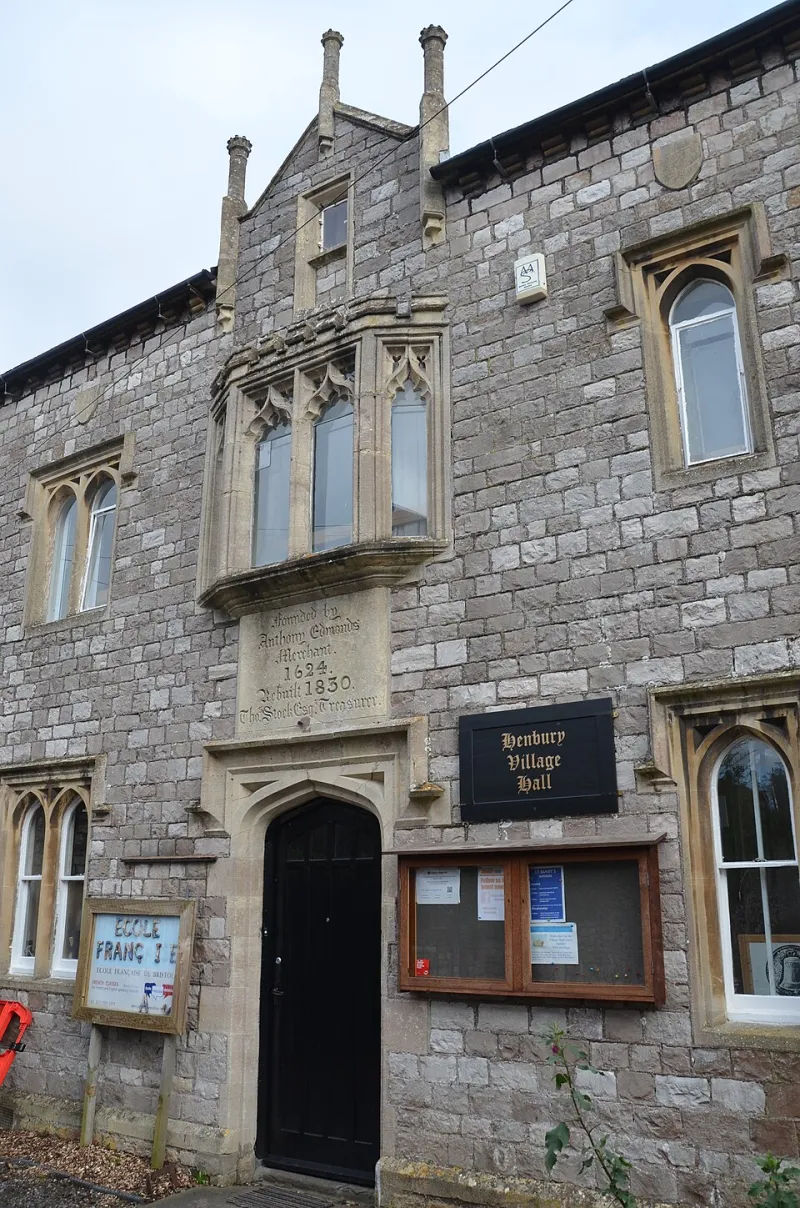
It is 7.42pm on a damp Thursday in a village hall somewhere in the Midlands. The urn is muttering, the biscuit tin is already open, and six people are arranging themselves around folding tables with pencils, notebooks and the slightly hunted expression of adults about to sit a mock exam. This is not a formal test. Nobody here is going to fail. But the club training night has a useful habit of feeling just serious enough to matter.
Before the kettle boils
The evening starts with logistics rather than electronics. A volunteer tutor checks who is working towards Foundation, who is pushing on to Intermediate, and who has turned up mainly because the Advanced syllabus has a habit of making people doubt everything they thought they knew. Names are ticked off. Tea is poured. Chairs are shuffled so that nobody is sitting directly under the strip light that flickers.
What strikes you first is the mix. There is a retired engineer who has been around radio for decades but has never bothered with the paperwork. There is a younger listener who has been following club nets online and wants to stop being a spectator. There is someone who bought a handheld at a rally and discovered that owning a radio is not quite the same as understanding it. The common thread is not technical brilliance. It is a willingness to be a beginner in public.
The tutors are careful about that. No one is put on the spot in the first ten minutes. The atmosphere is closer to a evening class than a regimental briefing: relaxed, but with a clear plan taped to the wall.
The paper, the practical and the pause
The first half of the session is a mock paper. Candidates work through questions at their own pace while a tutor circles the room, not hovering but available. The papers are deliberately not official exam scripts. They are club-made or drawn from published syllabus material, and the point is to find the gaps while the stakes are low. When the papers are collected, the group goes through the answers together. Wrong answers are treated as information rather than evidence of hopelessness.
Then comes the practical work. On one table, a candidate is being walked through basic station checks with a club rig. On another, someone is practising a short supervised contact, learning where to pause, how to give a call sign clearly, and why saying everything at once is rarely a good idea. The word 'practical' can sound intimidating, but in the room it mostly means repeating a simple task until it stops feeling strange.
The break arrives at exactly the right moment. Tea, biscuits, and the low-level chatter of people comparing notes. This is where half the learning happens, incidentally, in the gaps between the formal bits.
First-QSO nerves and the buddy system
After the break, the evening shifts towards confidence. A newly passed Foundation candidate is paired with an experienced member for a supervised first contact on the club rig. The script is not complicated: call sign, a brief greeting, a signal report, a thank-you. On paper it looks easy. In the chair, with a microphone in front of you and a room listening, it can feel like speaking to a meeting of headteachers.
The buddy system matters here. The experienced member sits alongside, not to take over, but to nod, point at the logbook, and quietly remind the newcomer to leave a gap before speaking. The first contact is usually imperfect. It is also usually followed by a round of applause that is only partly ironic. By the second or third attempt, the nervous laugh has gone and the call sign comes out cleanly.
Why the room is fuller in 2026
Clubs that run training nights report a steady trickle of new people rather than a dramatic surge. Some are drawn in by the idea of a structured way to learn. Others have tried online resources and found them useful but lonely. A weekly evening gives the syllabus a rhythm: read a chapter, make mistakes in a mock paper, ask a daft question, come back next week.
The social side should not be underestimated. The exam is the excuse, but the clubroom is the draw. People stay for the tea, the raffle, the odd bit of equipment gossip and the chance to put faces to voices heard on the air. In a hobby that can be solitary, the training night is a reminder that learning is a group activity.
If your club wants a classroom
Starting a training programme does not require a grand plan. It does require a reliable tutor, a room with enough tables, and a willingness to keep the pressure low. Many clubs begin with a six- to eight-week Foundation course, using the published syllabus as the spine and adding mock papers and practical sessions where they help. It is worth asking neighbouring clubs for help: a shared tutor pool can make the difference between a course that runs and one that quietly fades.
The best training nights are clear about what they are not. They are not a guarantee of a pass. They are not a replacement for the official exam. They are a rehearsal space, with tea. And they work best when the same people turn up week after week, pencils sharpened, coax coiled, and nerves left at the door as much as possible.
As the hall empties and the chairs go back on the trolley, one tutor sums it up. The aim is not to get everyone through the mock paper. The aim is to make sure they come back for the next one.