Flask First, Frequencies Second: Inside Britain’s Dawn Radio Nets
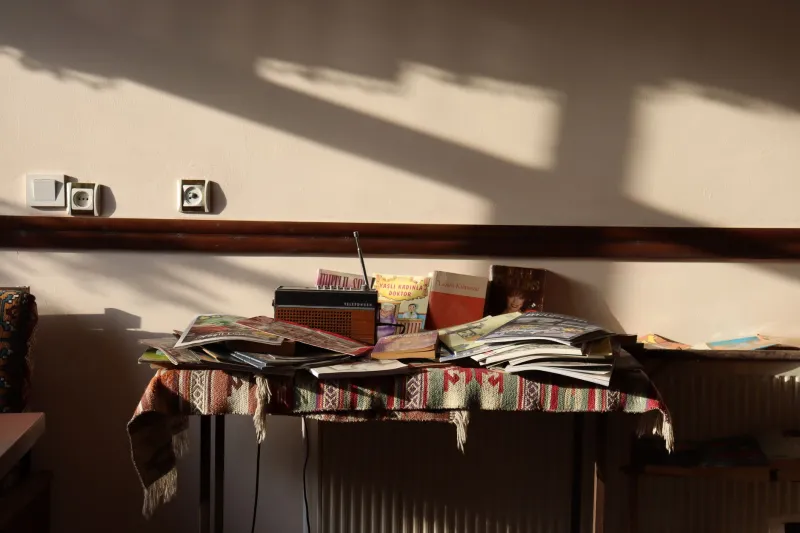
There is a particular sound to a radio club before breakfast. It is not the clatter of chairs being unfolded or the hunt for the tea urn. It is a kettle clicking off in a quiet kitchen, a headtorch being switched on, and a rig warming up while the rest of the house is still asleep. On HF, it is often just a little hiss and the slow drift of signals coming out of the dark. On 2m, it can be the crisp click of a local repeater and three voices who all seem suspiciously awake.
Early-morning nets are not new, but they are having a moment. Across the UK this winter, clubs are finding that a short net at 6am or 7am can do something the evening meeting struggles to do: it fits around real life. Retired members are up anyway. Shift workers are coming off a night shift or heading into one. Commuters can listen while they butter toast. And in November and December, when sunrise is still a rumour and the bands have that cold, quiet feel, a dawn net can be the most pleasant half-hour of the radio day.
The crowd is different, and that is the point
Evening club nights tend to attract the same core group. That is fine, but it can make a club feel smaller than it is. A dawn net pulls from a different pool. You get the early risers who have never quite liked driving to a hall after dark. You get members who work unsociable hours and have given up on Wednesday meetings. You get the person who has a young family and can spare twenty minutes before the school run but not a whole evening.
The tone changes too. There is less of a audience and more of a conversation. Nobody is trying to fill a room. The net controller is often just keeping a loose shape on things, rather than running a formal programme. On HF, checks might be quick and weather-heavy. On 2m, it can be a rolling catch-up: who is about, what the roads are like, whether anyone has a spare connector, and what happened on the club repeater last night. It is club life, but in a quieter key.
Winter is the natural season for it
There is a reason these nets often start in late autumn and settle in over winter. The bands can be interesting at first light. Forty and eighty metres have a different character before the day gets going, and the grey-line can offer a bit of magic for those who like to chase it. Even when conditions are flat, the ritual works. You are not guaranteed a pile-up. You are guaranteed a reason to be on air.
The practical side matters as much as the propagation. In November, a 6am net is not competing with gardening, car boot sales or a day out. It is competing with a lie-in, and somehow that is an easier fight. Members can join from the kitchen table with a mug in one hand and a logbook in the other. The flask is optional, but strongly encouraged. So is the headtorch, especially if the aerial is in the garden and the coax needs a quick check before the net starts.
It is not an evening club night with the clock moved
This is where some clubs go wrong. A dawn net should not try to be a committee meeting with worse lighting. Keep it short. Keep it friendly. Give it a clear start and finish. If it runs for twenty-five minutes and ends with everyone saying they will be back next week, that is a success. If it runs for ninety minutes and turns into a rota argument, it will not last.
It also helps to decide what the net is for. Is it a general check-in? A propagation watch? A local 2m natter for people who cannot make the hall? A place for new members to make their first contact with a friendly voice? You do not need a mission statement, but you do need a shape. A simple format works: brief welcome, quick round of calls, one or two items of club news, and a clean close. New members should be able to work out what is happening within the first two minutes.
Starting one without causing a pile-up
Before any club launches a dawn net, have a look at what already exists. The UK has plenty of regular nets, and the last thing anyone needs is two club nets landing on the same frequency at the same time. Check your club’s own schedule, ask nearby clubs what they run, and listen before you transmit. If you are using a repeater, speak to the keeper first. If you are using HF, pick a frequency with some elbow room and be prepared to move if you are causing interference. A little coordination now saves a lot of awkwardness later.
It is also worth checking the membership before you settle on a time. A 6am net sounds heroic until you discover that most of your active members are on the road at 6.30. A 7am net might be the sweet spot. A Sunday dawn net might work better than a weekday one. Ask in the newsletter, put a note on the club forum, and try a four-week pilot. If it sticks, great. If it does not, you have lost nothing but a few early alarms.
The small rituals are the glue
What makes these nets last is not usually the radio. It is the habit. The same voices, the same rough order, the same joke about the weather. Someone always forgets to unmute. Someone always has the kettle on. Someone always knows what the forecast is doing before the net controller does. In a hobby that can feel scattered across bands and forums, that sort of low-effort regularity is worth a lot.
So if your club is looking for a way to feel a bit more alive this winter, a dawn net is worth a try. It will not replace the evening meeting. It will not suit everyone. But it might reach the members who have been quiet for a while, and it might give the rest of you a good reason to be on air before the day gets its boots on. Flask first, frequencies second. That is the order that seems to work.