Six Callers a Week: The Quiet Life of Britain's Volunteer Repeater Keepers
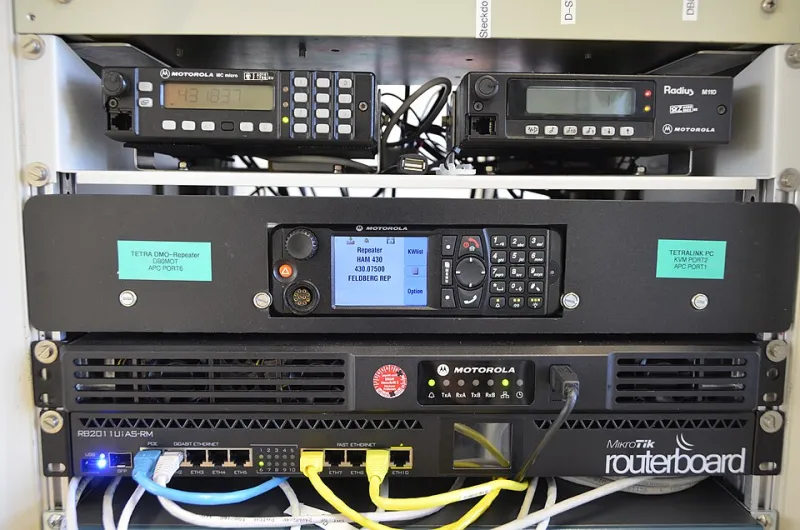
Photo: Ptolusque, CC BY-SA 4.0, via Wikimedia Commons
There's a machine on a rooftop somewhere near you that has been humming away since before most of us had broadband. It has a callsign, a cabinet, a hefty electricity bill and an identity that nobody outside the hobby would recognise. And once a month, give or take, a bloke in a fleece drives over to it, checks the fans, wipes the dust off the duplexer and goes home again.
That's the repeater keeper's life. Not glamorous, not loud, and increasingly the subject of some rather pointed questions at club committee meetings.
Because here's the thing: a lot of 2m and 70cm machines in the UK are, if we're honest, quiet. Not dead — quiet. Six callers a week, maybe. A handful of familiar voices, a weekly net, the occasional kerchunk from someone testing a handie they bought at a rally. And yet the site rent still lands every quarter, the insurance renews, and somebody still has to be the name on the Notice of Variation.
The bit nobody sees: what a repeater actually costs
Ask a non-radio friend what a repeater costs and they'll guess at a few hundred quid. Ask a keeper and watch their face do something complicated.
Site rent is the big one. Rooftop space in a city can run from a few hundred pounds a year for a friendly landlord to well over a thousand for a commercial mast share. Then there's mains power, a phone or internet line if the machine has remote control, insurance against the day a gale takes the aerial into someone's conservatory, and the slow drip of replacements — a new duplexer here, a surge arrestor there, a controller board that's been unavailable since 2019.
Most of it comes out of club subs, a raffle, or one member's pocket. There is a particular kind of silence in a committee meeting when the treasurer reads out the repeater outgoings and then reads out how many people used it last month.
Three machines, three very different tempers
The city-centre workhorse. High up, well placed, and genuinely busy by modern standards — perhaps thirty or forty users a week, a couple of scheduled nets, and a steady trickle of newcomers who found it before they found a club. Its keeper is a retired telecoms engineer who visits monthly, keeps a spreadsheet of every visit, and has a battery backup that has saved the machine through four power cuts. He describes it, without irony, as "a public service".
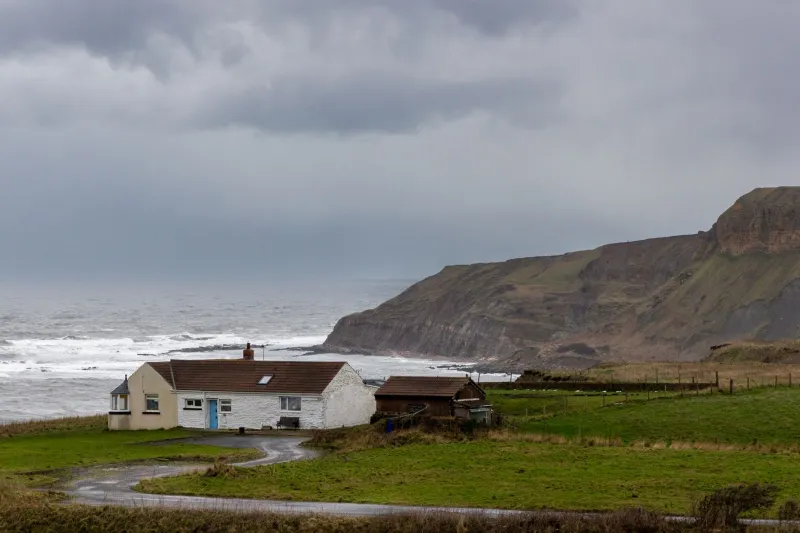
The rural hilltop survivor. Shared site, awkward access, mains run from a neighbouring farm, and a user base you could fit round a decent-sized kitchen table. Six regulars, one of whom calls in most mornings from the car on the way to work. It also earns its keep twice a year, providing comms for a fell race and a charity walk where the mobile signal is a rumour. Two volunteers look after it; each visit is a ninety-minute drive each way.
The one on the list. This is the machine that worries us. Its site lease ends next spring and the landlord has discovered the going rate for rooftop space. The keeper is stepping back after eleven years, nobody has come forward, and the frequency will need to be handed back and the Notice of Variation surrendered if it goes quiet. On paper it has about nine users. Off paper it has a small, stubborn community who will notice within a fortnight.
The interference hunt nobody sees
A repeater that sounds rough usually isn't broken — it's being shouted at. The keeper's least glamorous job is finding out who.
We've heard of machines opened up intermittently by a faulty street lamp, by a broadband-over-mains extender three streets away, by a taxi base with a badly adjusted aerial, and — a favourite — by an industrial thermostat that clicked on at seven every morning and wiped out the uplink until half past.
Tracking that sort of thing takes patience, a directional aerial, a notebook and an ability to be polite to people who think you're mad. It's hours of unpaid detective work for a machine used by six people. Try justifying that on a spreadsheet.
Should a club keep paying?
This is where otherwise friendly club nights get a bit frosty.
The case for keeping it is stronger than the raw user count suggests. A repeater is an on-ramp: it's how a newly licensed listener with a handie and no aerial learns that there's a world of people out there. It's a resilience asset during a power cut, a safety net for public events, and a reason for the club to exist beyond a monthly pint. And once a frequency is given up, getting it back is far from guaranteed.
The case against is equally honest. Several hundred pounds a year is another build night, another round of club insurance, or a decent chunk of a training course for new members. If a machine serves six people, why should forty members fund it?
The answer most clubs settle on is neither heroic nor dramatic: they keep it, but they make it earn its keep. Put the nets on it. Use it for the rally car park. Use it for the build night when someone's just finished a Yagi and wants to test it. Publish the user numbers. And ask, plainly, whether anyone is prepared to take on the keeper's role — because a repeater without a keeper is just a deadline.
So you fancy taking one on? A checklist
If your club is thinking of adopting a machine — or if you're the one being gently nudged — work through this lot before you put your name to anything.
- The Notice of Variation. Find out who holds it, read it, and understand the conditions before you agree to anything.
- Frequency coordination. Talk to the coordinating body about the existing allocation; don't assume it transfers automatically.
- Site access. Get it in writing. Ask about keys, alarms, escorts, visiting hours and the process for an out-of-hours callout.
- Power. Know your supply, your backup and your failure mode. A repeater that dies silently is worse than one that's off.
- RF plumbing. Duplexer condition, cavity tuning, jumper leads, connectors. Budget for a replacement you'll need in year three.
- Protection. Surge arrestors, earthing and a lightning plan that the landlord has actually agreed to.
- Remote control and monitoring. Whatever gives you the ability to reboot from the sofa at eleven at night.
- Insurance and risk assessment. Confirm what the club policy covers and what it doesn't.
- Documentation. Callsign, frequencies, CTCSS, DTMF codes if used, passwords, site contacts, service history. In one place. Not in your head.
- A handover plan. Who's next? If the answer is a shrug, you've built a single point of failure.
- The money question. Set an annual figure, tell the members what it is, and revisit it honestly each year.
Repeaters don't ask for much. A bit of mains, a dry cabinet, a mast that stays up, and someone who'll answer the phone when a member rings to say it sounds like a bag of crisps.
Six callers a week isn't nothing. It's six people who turned the radio on and found somebody there. The keepers are why that happens — and the least the rest of us can do is know their names.