Paper Proof: Why the QSL Card Is Back on the Clubroom Wall in 2026
There is a particular sound in a radio clubroom when someone opens the QSL card box: a dry, papery shuffle, followed by the soft clack of a plastic sleeve. It is not a fashionable noise. It will never compete with a software-defined receiver or a shiny new transceiver. But in 2026 it is a sound more clubs are deliberately inviting back into the room.
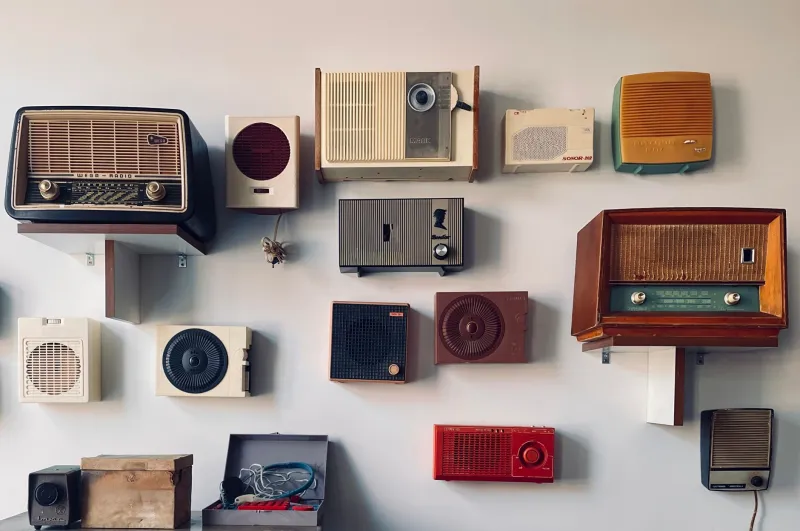
Across the UK, QSL cards, reception reports and listener logs are coming out of storage and going up on display. Not as dusty relics behind glass, but as working club furniture: open-day exhibits, wall displays, recruitment conversation starters and, in some cases, a full evening programme in their own right. The humble confirmation card is having a quiet clubroom moment.
A postcard with a job to do
A QSL card is a simple idea. You hear a station, you send a report, and back comes a card confirming the contact or reception. For amateur radio operators it is proof of a two-way contact. For shortwave listeners and broadcast nostalgia fans it can be a precious reply from a distant transmitter, a regional station or a voice from the past.
The card itself is rarely valuable in the way a rare valve or a mint receiver might be. Its worth is in the details: the callsign, the date, the band, the signal report, the scribbled note from an operator who may no longer be on air. That is why clubs are rediscovering them as display material. They are small, human and specific. They start conversations in a way that a spreadsheet of log entries simply cannot.
At a recent club open day in the Midlands, the QSL table was not the loudest corner of the hall. It was the corner where people stopped longest. A card from a Pacific island station, faded at the edges, had a queue of listeners peering at the postmark. A 1980s reception report from a European broadcaster prompted one member to remember the exact evening he heard it. Nobody needed a PowerPoint slide. The paper did the talking.
What goes on the wall and what stays in the box
Not every card belongs on display. Clubs putting together a wall or exhibition usually split the collection into two groups: the representative and the personal. The representative cards show range, geography or history. The personal ones carry a story that the owner is happy to tell.
A good display might include:
- A first international contact or first reception report from a long-standing member.
- Cards from stations that have since closed, changed name or left the airwaves.
- Examples from different decades, showing changing card design and printing styles.
- A few cards with handwritten notes, stamps or postmarks that add context.
- One or two modern cards from current operators, so the display does not look like a museum case.
What stays in the box? Duplicates, cards with unclear provenance, and anything the owner is not comfortable exposing to light and handling. That is not a rejection of the collection. It is good curation. A club wall works best when it is edited, not when it is wallpapered.
The stories behind the confirmations
Ask a radio club member about their favourite QSL card and you rarely get a technical answer first. You get a scene. The night the aerial was held up with string. The winter evening when a faint signal came through the static and someone wrote the report by hand because the computer had crashed. The card that arrived months later, slightly bent, with a note saying thanks for listening.
One listener in the north of England keeps a card from a shortwave broadcaster that he heard while sitting in his father's car outside a village hall。 He cannot remember the programme. He remembers the cold, the thermos flask and the surprise of getting a reply at all. The card is not valuable. It is irreplaceable.
That is the emotional pull clubs are tapping into. In an era of instant digital logs and online confirmation systems, a physical card represents a slower exchange. It says that someone at the other end took the time to write, stamp and post something. For younger members who have grown up with instant messaging, that slowness can feel novel. For older members, it feels like home.
A recruitment tool with a paper trail
Clubs are also discovering that QSL displays do something practical: they give visitors an easy way in. A wall of cards is less intimidating than a room full of equipment. It invites questions. Where is that from? How did you hear it? What does the handwritten bit say?
That makes QSL cards useful at open days, rallies and club nights aimed at newcomers. A small labelled display can explain the hobby without a lecture. One club in the south-east now keeps a folding QSL board specifically for community events. It packs into a car boot, sets up in minutes and has prompted more sign-ups than a stack of leaflets.
The key is labelling. A card with no context is just a curiosity. A card with a short caption, a callsign, a date and a sentence about why it matters becomes a story. Clubs putting up displays in 2026 are learning to write those captions properly: large enough to read, short enough to finish, and honest about what the card actually confirms.
How to hang and keep them
For clubs planning a QSL wall, a few practical rules go a long way. Keep cards out of direct sunlight, because fading is permanent. Use acid-free sleeves or mounting corners rather than tape, Blu Tack or staples. Handle cards by the edges where possible. If you scan them for an archive, do it at a decent resolution and record the callsign, date, band and mode alongside the image. Store the originals flat, in a cool, dry place, away from damp and hungry insects.
A simple caption template helps: callsign or station, date, band or frequency, and one line of context. For example: G3XYZ, 14 MHz, 1987, first contact with Australia. That is enough. The visitor can ask the rest.
Clubs should also agree who owns the cards. A member may be happy to lend a card for an evening but not to leave it on a wall for a month. Written permission, even a line in the club newsletter, avoids awkwardness later. The same goes for scanning: ask before adding someone else's card to a club archive.
A revival or a rehang?
Is the physical QSL card genuinely enjoying a revival in 2026, or are clubs simply rehanging what was always there? The honest answer is probably both. Digital confirmation is not going away, and few clubs are arguing that it should. But the clubroom wall is a different kind of space. It is social, visible and slow. A card on a wall asks to be looked at. A log entry in a database waits to be searched.
That is why the QSL display feels less like nostalgia for its own sake and more like a reassertion of something clubs have always done: turning radio contacts into stories that can be shared. The card is paper proof. The wall is the conversation. And in 2026, a surprising number of British radio clubs are deciding that conversation is worth pinning back up.