The Folding Chair Problem: Why Village Hall Radio Clubs Are Turning People Away
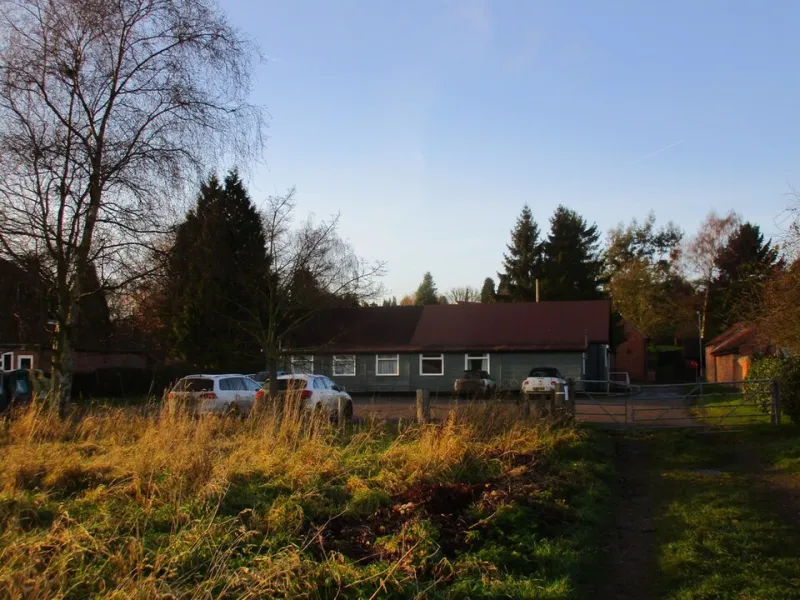
Photo: Jonathan Thacker , CC BY-SA 2.0, via Wikimedia Commons
On a damp Tuesday in October 2026, a village hall in the Midlands is at capacity. Thirty-eight folding chairs are out. Forty-six people have arrived. The secretary is carrying two more chairs from the store cupboard and trying not to look panicked. The tea urn is on. The 2m rig is on the top table. And the club's waiting list, which did not exist three years ago, now has eleven names on it.
This is not a niche problem. Across the UK, many radio clubs are reporting fuller meetings, longer waiting lists and a volunteer team that is beginning to feel the strain. The boom is welcome. It is also awkward. Village halls were not designed for success.
The hall that ran out of chairs
The scene is familiar: a church hall or parish room with a hard floor, a wobbly table at the front, and a kitchen hatch that serves tea at half-time. The capacity is often thirty to fifty people. That used to be plenty. Now, a good programme, a Foundation licence course or a talk about aerials can pull in more people than the fire notice allows.
One secretary I spoke to describes the moment the room felt different. 'We had a talk on SDR receivers and expected twenty people. We got forty-two. We ran out of chairs, then we ran out of cups. Someone was sitting on a windowsill. I thought, this is lovely, and also we cannot keep doing this.'
The practical problems arrive quickly. More people means more extension leads, more parking pressure, more risk assessments and more time setting up. The volunteer who used to arrive at 6.30pm now arrives at 6pm. The treasurer sees the hall hire rise. The chair sees the agenda lengthen. The tea rota, that most sacred of club institutions, is under pressure.
Why now?
There is no single reason. Cheap SDR receivers have lowered the entry point. Online forums and YouTube have made aerial building less mysterious. The post-pandemic appetite for real-room social contact is still strong. And radio itself, with its mix of technical tinkering and friendly nets, appeals to people who want a hobby that is not entirely on a screen.
The result is a new mix of members. Some are lifelong hobbyists returning to the club after years away. Some are complete beginners who bought a handheld and want to know why the local repeater is silent. Some are SWLs who have no intention of transmitting but enjoy the company. A good club can absorb all three. A small hall cannot always do it at once.
The hybrid half-measure
Many clubs have tried hybrid meetings. A laptop, a webcam and a speakerphone are supposed to let remote members join the room. In practice, the remote members often get a view of the back of someone's head and a soundtrack of tea-spoon clatter. The chair forgets to repeat the question. The whiteboard is unreadable. The people at home drift away.
Hybrid can work, but it needs a dedicated host, a decent microphone and an agenda that gives remote members a proper slot. It is not a solution to a room that is too full. It is a way to include people who cannot travel. If your club is already short of volunteers, adding a hybrid layer without support is a recipe for burnout. Better to run one good hybrid meeting a month than a weekly fudge.
Satellite groups and pop-up nets
The most encouraging response is the satellite group. When the main hall fills, members spin off smaller gatherings: a Tuesday morning net on 2m, a pub back room for show-and-tell, a car park meet for antenna testing, a weekend field day in a farmer's field. These are not rival clubs. They are overflow valves.
One club in Norfolk now runs a 'chairless social' in a local café once a month. No formal agenda, no speaker, no minutes. Just members with a handheld and a question. It has become the entry point for people who find a full hall intimidating. The main meeting remains the shop window; the satellite groups do the quieter work.
A secretary's checklist
If your club is nearing capacity, start with the boring things.
- Count the actual usable chairs, not the ones in the cupboard with a broken leg.
- Check the hall's fire capacity and insurance conditions before you advertise an open meeting.
- Introduce free pre-registration for popular talks, with a waiting list that is managed, not just kept.
- Ask volunteers what they can realistically do. A rota with gaps is better than a rota that quietly burns people out.
- Set up a simple hybrid kit and train two people to use it. One person is a single point of failure.
- Keep the tea rota separate from the technical rota. Never ask the same person to run the net and wash up.
- Review the meeting format. A shorter talk, a longer break and a designated newcomer table can reduce crowding at the front.
- Talk to the parish council or hall committee early. They may have a larger room, a second space or a cheaper off-peak slot.
When the hall says no
Sometimes the answer is simply that the venue has reached its limit. That is not a failure. It is a signal to change shape. Some clubs rotate venues: village hall one month, sports club the next, a member's workshop for a build night. Others split the programme: technical talks in a smaller room, social meets in a larger one. A few have moved to a community centre with better parking and a proper PA.
The boom is good news. It means radio clubs are not dusty relics. But success needs structure. The clubs coping best are not the ones with the biggest halls. They are the ones that spread the load, communicate clearly and accept that a waiting list is a sign of life, not a scandal.
If you are a secretary staring at a wobbly table and a room full of new faces, take heart. The wobbly table is a tradition. The full room is a bonus. Just put the kettle on and count the chairs first.