After the Final Net: How Clubs Rehome Rigs, Logs and Fifty Years of Memories
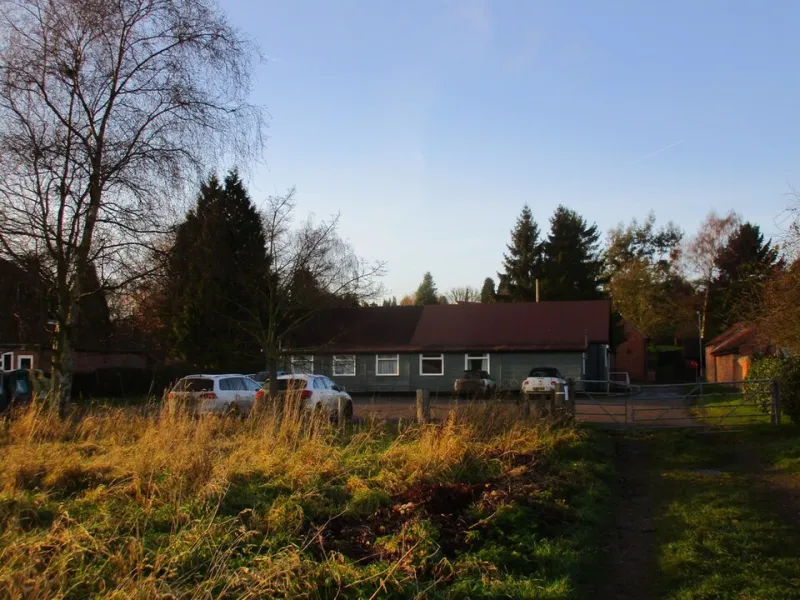
There is a particular silence in a clubroom after the final net. Not the comfortable hush of a slow Tuesday, when someone is tuning the HF set and someone else is boiling the kettle. It is the silence of a room that knows the schedule has stopped. The chairs are stacked, the noticeboard is bare, and somewhere in a cupboard is a logbook with one last entry and no one left to sign it off.
It is easy to treat that moment as a full stop. In practice, it is usually a handover that has arrived late. Across the UK in 2026, clubs of all sizes are thinking about what happens when the members stop coming. The good news is that the hobby has plenty of ways to make sure a club's gear, records and know-how do not simply vanish into a loft or a skip.
The quiet committee meeting
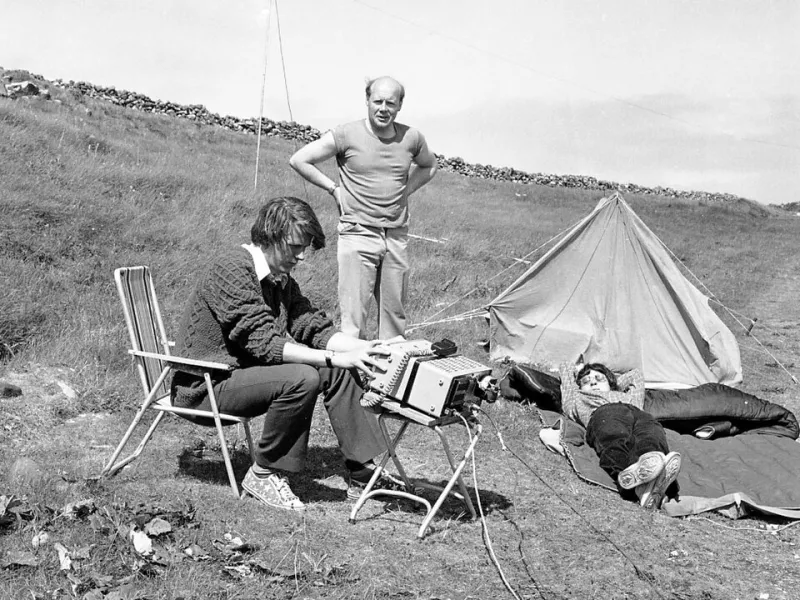
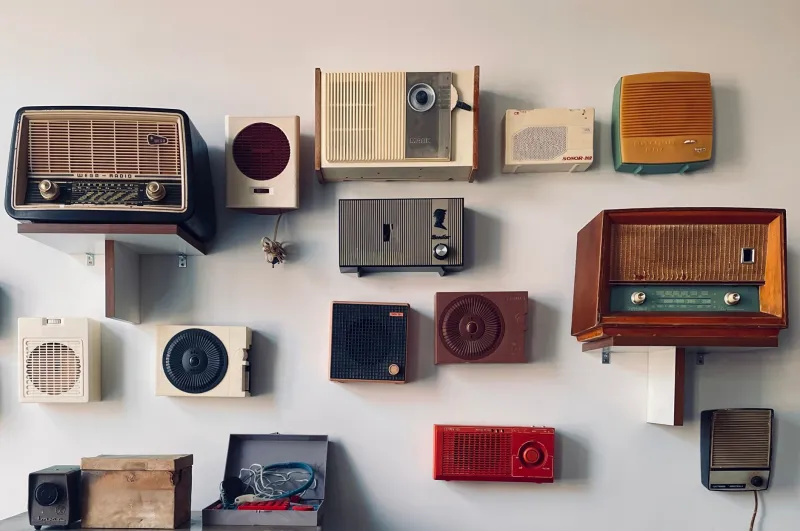
Most clubs do not close suddenly. They fade. The treasurer keeps the account going, the secretary stops sending minutes, and the average age of the Wednesday crowd nudges upward. By the time someone says the word dissolution, the cupboard has usually become a small museum of its own: a few HF rigs, a 2m mobile, a box of coax, a manual for something that was obsolete before the millennium, and several decades of QSL cards in a shoebox.
The first job is not to decide what to keep. It is to decide who is allowed to decide. A small legacy group, ideally three or four people with different memories of the club, can work through the room without every item becoming a committee debate. Give them a deadline, a checklist and permission to be practical. Sentiment is welcome, but it should not be the chair.
Inventory before nostalgia
Start with a plain list. Photograph every rig, aerial, power supply, key, microphone and box of valves. Note serial numbers where they exist, and mark anything that is known to be faulty. Add a rough value, but do not pretend it is an auction catalogue. The point is to know what is there before the first van arrives.
Then separate the list into three piles: working gear that another club could use, items with genuine heritage value, and the rest. That last pile is usually bigger than anyone expects. Old coax, cracked cases and unknown power supplies are not a legacy. They are a disposal problem, and there is no shame in saying so.
Where the rigs should go
Working equipment should go to working clubs. A nearby society with a training programme, a youth section or a busy contest group can often absorb a complete station more usefully than a single buyer on an auction site. Approach them before the closing date, not after. Offer a loan or a supervised transfer if the club still has trustees to satisfy. If money changes hands, keep the paperwork simple and transparent.
For older or historically interesting items, the museum route is worth exploring. The National Museum of Computing at Bletchley, local transport and communications museums, and county record offices all hold radio-related material, though none can promise shelf space. Phone first, send photographs, and be honest about condition. A museum would rather have one complete item with a story than a vanload of mystery boxes.
Logbooks are not clutter
A club logbook is a social record as much as a technical one. It shows who was on air, which callsigns were worked, what the weather was doing on field day and which member always turned up late with the biscuits. If the club has a full run, do not split it up. Offer it to a local archive or record office, or to a specialist radio archive if one will take it. If that fails, digitise the important volumes and keep the originals together in a labelled archive box.
QSL cards are trickier. They are personal, colourful and often deeply sentimental. A complete club collection can be genuinely interesting, but a random carrier bag of cards is not an archive. Sort by year and callsign, keep the cards that tell a story, and ask former members whether they want their own cards back. Anything left can be offered to a club historian or a museum with a clear note explaining what it is.
Write it down, then tell someone
Legacy planning is not only about objects. It is about instructions. A short document kept with the club records should say who holds the keys, who can sign cheques, which equipment is promised to whom, and where the archives are going. Tell the affiliated society, the landlord and at least one neighbouring club. A plan that nobody knows about is just a rumour with a stapler.
Younger clubs can help
Smaller and newer clubs are often hungry for gear, but they can be shy about asking. A straightforward offer works better than a vague invitation. Say what is available, what condition it is in, and what help the donor club needs with transport. Pair a rig with a mentor who can show a new member how to use it. That way the equipment stays on air, and the knowledge travels with it.
A switch-off, not a wipe-out
Closing a club is sad, but it is not the same as erasing it. The rigs can be passed on, the logbooks can be archived, the QSL cards can be sorted, and the stories can be written down while the people who remember them are still in the room. The last net does not have to be the last word.
If your club is heading toward that quiet committee meeting, start the conversation now. Not because the end is coming tomorrow, but because a little planning today is how a hobby says thank you to the people who kept the key to the door.